
Endometriosis affects roughly one in 10 women worldwide, often causing severe menstrual pain, chronic pelvic discomfort, or difficulty conceiving. If left untreated, it can lead to scarring, cyst formation, and infertility.
This guide by Daniel Koh Clinic for Women and Fertility Services explains what endometriosis is, how it develops, and the latest endometriosis treatment options in Singapore to help you manage pain and improve fertility outcomes.
What Is Endometriosis?
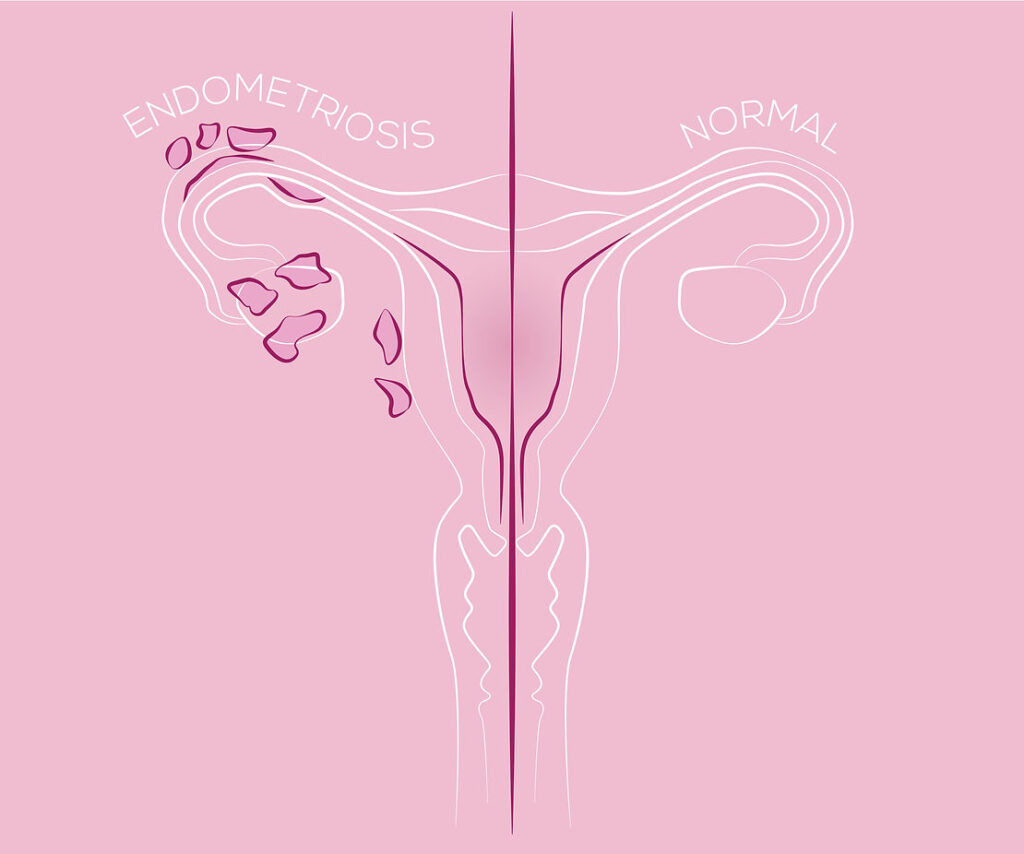
Endometriosis occurs when tissue similar to the womb lining (endometrium) grows outside the uterus — commonly on the ovaries, fallopian tubes, pelvic lining, or bowels. These abnormal growths respond to hormonal changes, leading to inflammation, pain, and scarring over time.
Endometriosis is classified into four stages depending on severity and spread:
- Stage 1 (Minimal): A few small, superficial implants, usually on the ovary or pelvic lining.
- Stage 2 (Mild): More and deeper implants that extend into surrounding tissues.
- Stage 3 (Moderate): Multiple deep implants, small cysts (endometriomas), and thin adhesions.
- Stage 4 (Severe): Extensive lesions, large ovarian cysts, and dense adhesions affecting multiple organs.
Common Symptoms of Endometriosis
Endometriosis causes inflammation, and symptoms vary from mild to debilitating. Common signs include:
- Painful Periods (Dysmenorrhoea): Severe cramps that interfere with work or daily life.
- Chronic Pelvic Pain: Persistent lower abdominal pain, even outside menstruation.
- Pain During or After Sex: Deep pelvic pain that can last hours after intercourse.
- Pain with Urination or Bowel Movements: When endometriotic tissue affects the bladder, intestines or rectum.
- Heavy or Irregular Bleeding: Passing large clots or changing pads frequently during periods.
- Gastrointestinal Symptoms: Bloating, diarrhoea, constipation or nausea during menstruation.
If these symptoms sound familiar, you may benefit from an assessment for endometriosis treatment in Singapore by a gynaecologist experienced in managing complex pelvic pain.
What Causes Endometriosis?
While the exact cause remains uncertain, several factors are thought to contribute:
- Retrograde Menstruation: Menstrual blood flows backwards through the fallopian tubes into the pelvis, allowing endometrial cells to implant and grow.
- Hormonal Imbalance: Excess oestrogen and reduced progesterone sensitivity promote abnormal endometrial growth.
- Immune System Dysfunction: Impaired immune response allows misplaced endometrial cells to survive and proliferate.
- Genetic Predisposition: Having a mother or sister with endometriosis increases your risk.
Why Endometriosis Often Goes Undiagnosed
Endometriosis is sometimes called the “invisible disease” because:
- Symptoms are vague: Bloating, bowel pain, or fatigue can mimic IBS or urinary tract issues.
- No symptoms in some women: Many only discover it during a fertility check or pelvic scan.
- Normalisation of pain: Many women dismiss period pain as “normal” and delay seeking help.
In Singapore, early diagnosis and appropriate endometriosis treatment can significantly improve quality of life and fertility prospects.
How Is Endometriosis Diagnosed?

Diagnosis begins with a detailed consultation and physical examination. Your specialist may recommend:
- Pelvic Examination: To detect nodules or adhesions on the cervix, vagina, or pelvic wall.
- Ultrasound Scan: A transvaginal or transabdominal scan can detect ovarian cysts (endometriomas) or an enlarged uterus (adenomyosis).
- Pelvic MRI: Identifies deep infiltrating endometriosis (DIE) in the bowel, bladder, or pelvic nerves.
- Laparoscopy: A minimally invasive “keyhole” surgery that confirms diagnosis and allows removal of endometrial implants during the same procedure.
Laparoscopy remains the gold standard for accurate diagnosis and tailored endometriosis treatment in Singapore.
Treatment Options for Endometriosis
The best endometriosis treatment in Singapore depends on your symptoms, fertility goals, and disease severity. Treatments may be medical, surgical, or a combination of both.
1. Non-Hormonal Pain Relief
- Paracetamol: For mild to moderate pain.
- NSAIDs (e.g. ibuprofen): Reduce inflammation and ease menstrual pain.
- Opioids: For severe pain unresponsive to other medications. This needs to be used cautiously under medical supervision.
2. Hormonal Therapy
- Combined Oral Contraceptive Pills (COCP): Regulate hormones, reduce menstrual flow, and suppress new endometrial growth.
- Progestin-only therapy: Hormonal pills or injections that thin the womb lining and relieve pain.
- GnRH Agonists: Temporarily suppress oestrogen to shrink endometriotic tissue and reduce pain.
3. Minimally Invasive Surgery
- Laparoscopic Excision or Ablation: Removes visible endometriotic lesions and adhesions, restoring pelvic anatomy.
- Adhesiolysis: Releases scar tissue that may be causing pain or infertility.
4. Definitive Surgery
- Hysterectomy (with or without oophorectomy): Considered only when symptoms are severe and fertility is no longer desired.
5. Fertility-Focused Treatment
- Surgical Removal of Lesions: Improves egg release and fallopian tube function.
- In Vitro Fertilisation (IVF): Recommended for women with moderate to severe endometriosis, blocked tubes, or failed conception after surgery.
When Should You See a Gynaecologist?
Seek specialist advice if you experience:
- Menstrual cramps that affect work, school, or daily life.
- Pain during intercourse or persistent pelvic pain.
- Difficulty conceiving after 12 months (or 6 months if you are over 35).
Early evaluation allows prompt endometriosis treatment and helps prevent complications like infertility or severe adhesions.
About Dr Daniel Koh
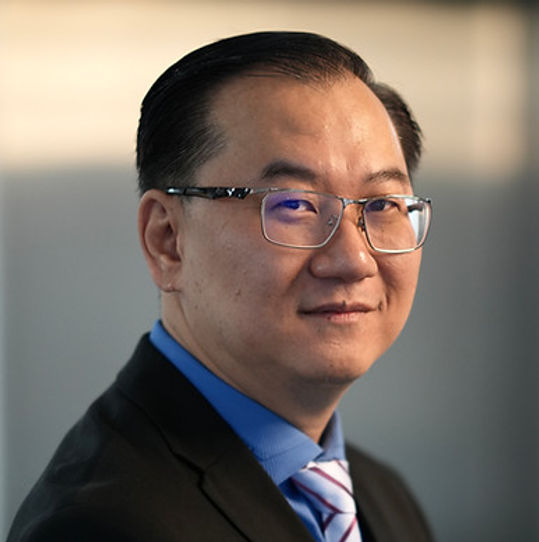
Dr Daniel KohConsultant Obstetrician & Gynaecologist BMBS (AUS), M.MED (O&G, SG), FRCOG (UK), FAMS (SG)
Dr Daniel Koh is a senior obstetrician and gynaecologist at Gleneagles Medical Centre, Singapore, with over 15 years of experience managing complex conditions, including endometriosis, fibroids, and menstrual disorders.
He is accredited in minimally invasive gynaecologic surgery and has helped numerous women relieve pain, restore fertility, and improve their quality of life. Dr Koh’s evidence-based, patient-first approach ensures individualised care through medical and surgical treatment options.
Consult a Gynaecologist for Endometriosis Treatment in Singapore
If you suspect endometriosis or are struggling with chronic pelvic pain or infertility, consult Dr Daniel Koh for a comprehensive evaluation and treatment plan.
Our clinic provides safe, confidential, and personalised care, from diagnosis to long-term management, to help you regain comfort and control over your health.
Your Safety, Privacy & Well-Being Come First
Book a Consultation with Dr Daniel Koh
Take the first step toward pain relief and recovery.
WhatsApp Now
Reach out privately via WhatsApp. Our nurse will respond within the hour.
Book a Confidential Appointment
Submit your details below. Our team will contact you discreetly within 24 hours.