Endometriosis Treatment in Singapore – Helping You Conceive

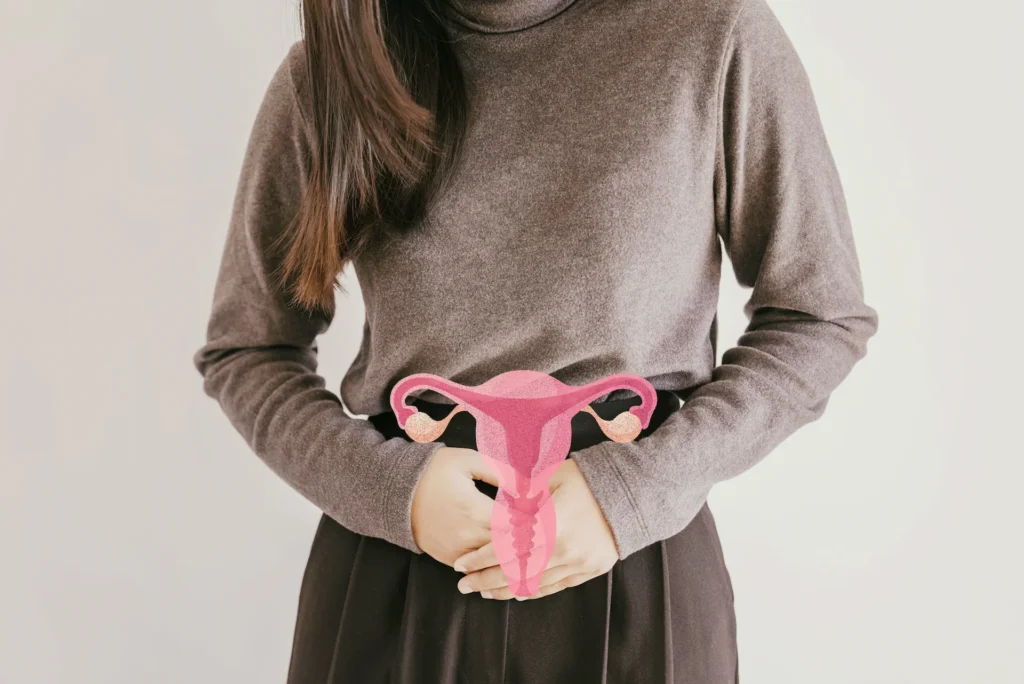
Endometriosis is a common reason women struggle to fall pregnant. It occurs when tissue similar to the womb lining grows outside the uterus, where it thickens, bleeds, and forms scar tissue each month. While pain is a well-known symptom, fertility can still be affected even when symptoms are mild or absent.

What is Endometriosis, and How Does It Impact Fertility?

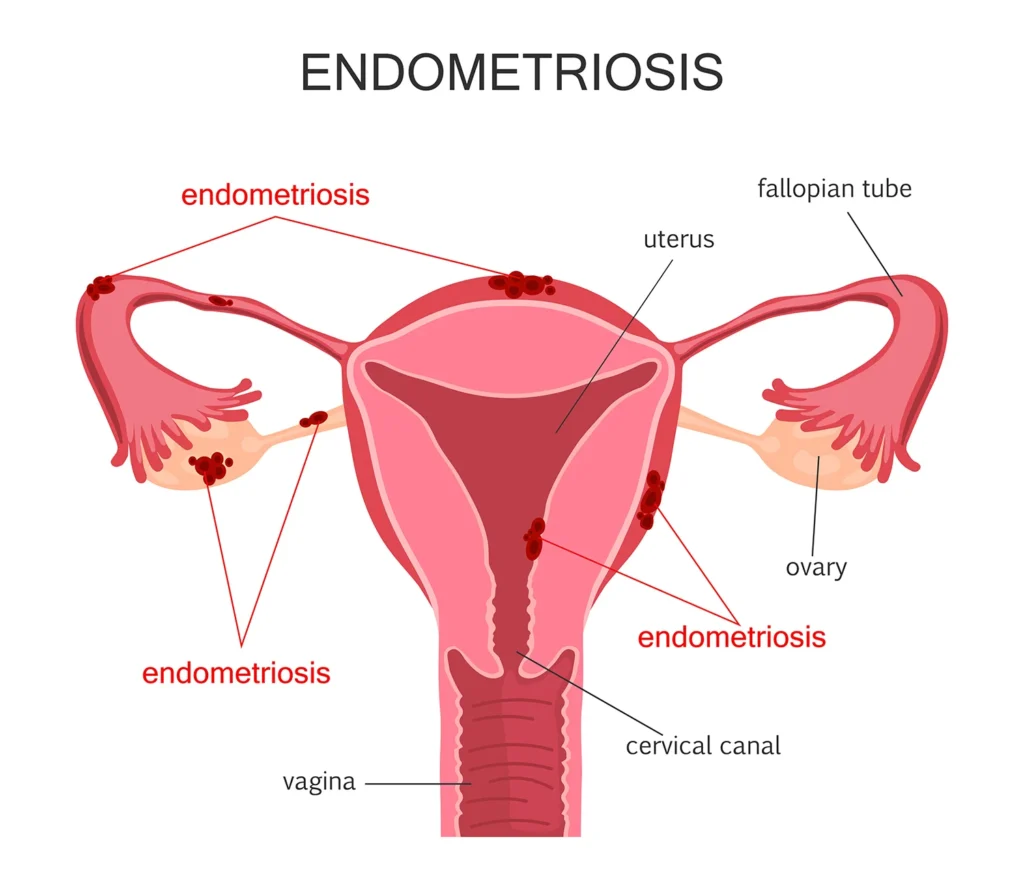
Endometriosis develops when tissue from the womb lining implants on the ovaries, fallopian tubes or pelvic walls. During each menstrual cycle, this tissue responds to hormones, leading to inflammation and scarring.

The results can result in:
These changes can significantly reduce the chances of natural conception.
What is Endometriosis, and How Does It Impact Fertility
Before choosing endometriosis treatment in Singapore, it is important to recognise that endometriosis present with:
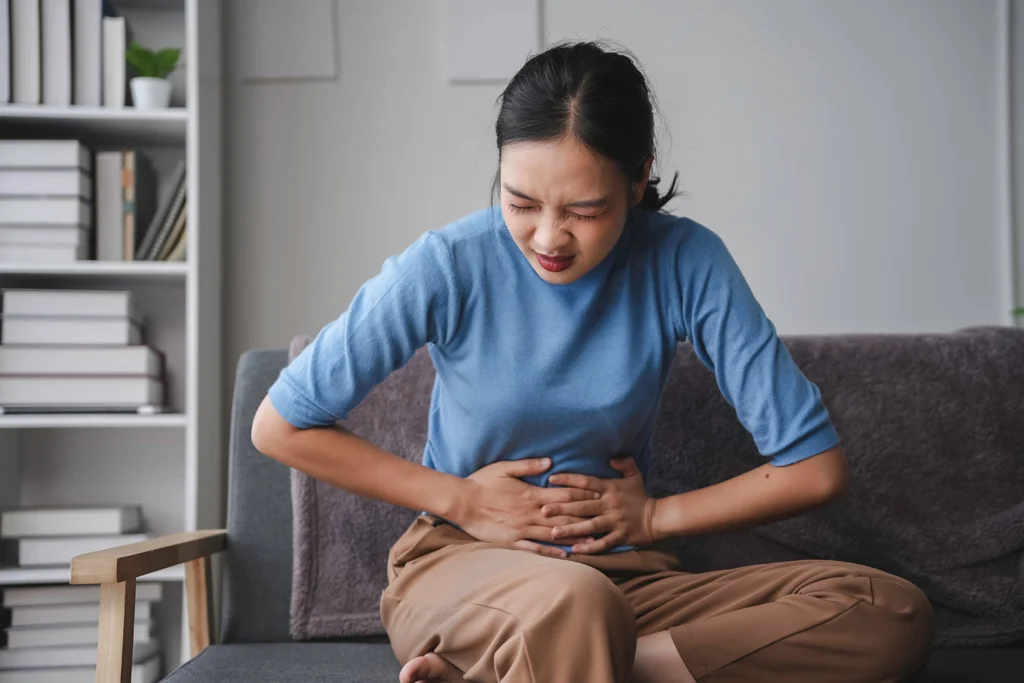
Intense pelvic cramps before and during menstruation and may radiate to the lower back.

Heavy or prolonged bleeding

Periods lasting longer than a week or soaking pads every one to two hours.
Difficulty conceiving

Endometriosis is diagnosed in up to 50% of women with infertility.

Chronic pelvic pain

Persistent dull ache in the lower abdomen or back lasting more than six months.

Bowel and bladder symptoms

Bloating, nausea, constipation, or diarrhoea during menstruation.

What are the common symptoms of Endometriosis?

What Causes Endometriosis?

What Causes Endometriosis
Endometriosis can reduce the chance of conception by altering the pelvic anatomy and changing the local hormone and immune environment.

Blocked or Inflamed Fallopian Tubes

Endometrial implants near the tubes may swell, bleed, and scar, resulting in narrowing or blockage to the passage. This can prevent sperm from reaching the egg or block a fertilised egg from reaching the uterus.

Ovarian Cysts (Endometriomas)

Endometriomas form when implants grow inside the ovary and fill up with old blood. Their walls can damage healthy ovarian tissue and reduce egg quality. Studies show that AMH declines by up to 20% in women with unilateral cysts, and 35% in those with bilateral cysts, particularly after surgery. Cysts can also stick to nearby structures, making it harder for the ovary to release an egg or for the fallopian tube to retrieve it.

Pelvic adhesions

Bleeding implants behaves like glue. Over time, they result in fibrous bands that pull the ovaries, fallopian tubes and uterus out of their normal positions. Distorted anatomy makes egg pick-up unreliable and can trap the fallopian tube against the pelvic wall, stopping it from sweeping an egg inside.
Inflammation

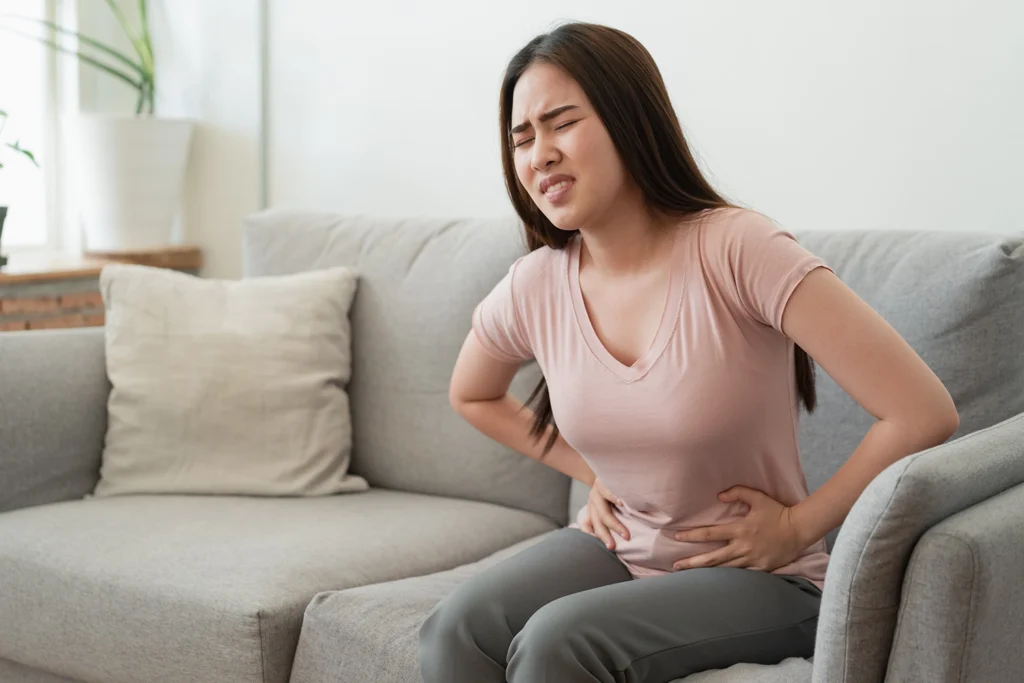
Inflamed endometriotic tissue releases chemicals called cytokines and reactive oxygen species. These chemicals lowers fertilisation and implantation rates by damaging eggs and impairing sperm function, and embryo development.

How Does Endometriosis Affect Fertility?

How is Endometriosis Diagnosed in Singapore?

Your gynaecologist will usually work through the following steps to confirm a diagnosis:

History taking

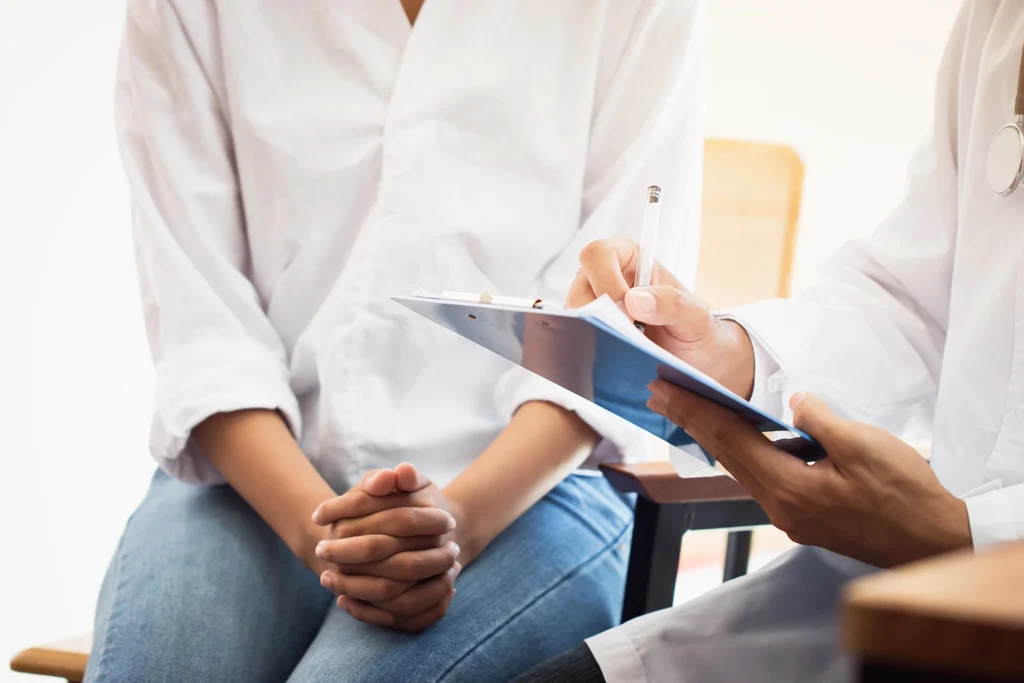
Your gynaecologist will ask about your symptoms, menstrual cycle and medical history. This may include the severity and pattern of period pain, pain during or after sexual intercourse, pelvic pain, heavy or irregular periods, pain during bowel movements or urination, and any difficulties with fertility. Your doctor may also ask when the symptoms started, how they affect your daily activities, and whether you have a family history of endometriosis.

Pelvic exam

Your gynaecologist will assess for endometriotic nodules and distorted pelvic anatomy.

Ultrasound or MRI

A transvaginal ultrasound looks for ovarian cysts (endometriomas). When deep infiltrating endometriotic lesions are suspected, especially in the bowel or bladder, an MRI may provide more information.

Diagnostic laparoscopy

A minimally invasive procedure is performed to confirm and treat endometriosis.
How is Endometriosis Diagnosed in Singapore

What are the available endometriosis treatment options in Singapore?

Your care should be tailored to your pain level, disease stage and pregnancy plans. Doctors usually start with the least invasive step and progress only if symptoms or infertility persist.
Pain Relief Medication

Pain Relief Medication

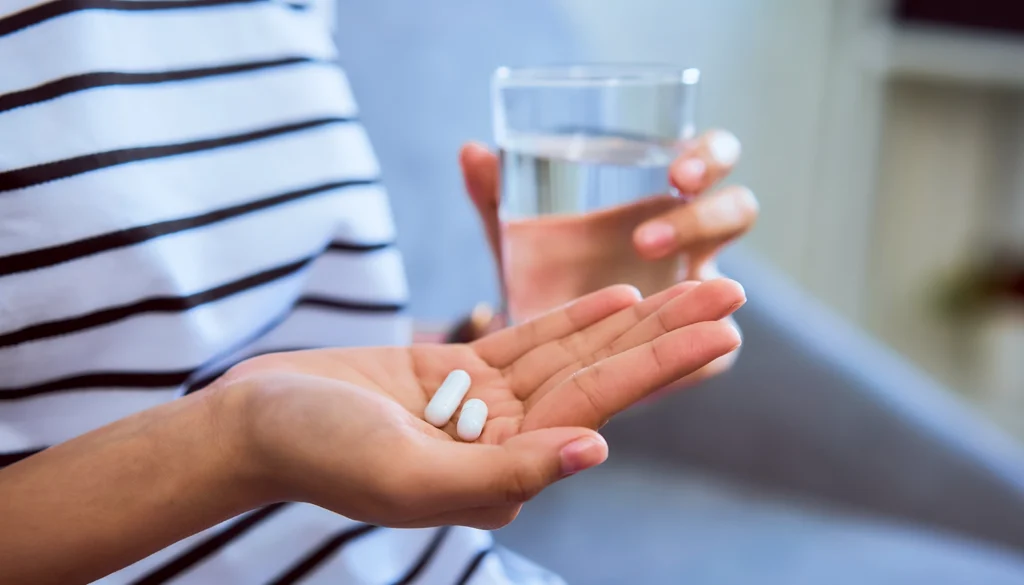
Non-steroidal anti-inflammatory drugs block prostaglandins, easing cramps and pelvic discomfort. It is suitable when symptoms are mild and when acheiving a pregnancy is not the primary goal.
Hormonal Therapy Endometriosis

Hormonal Therapy

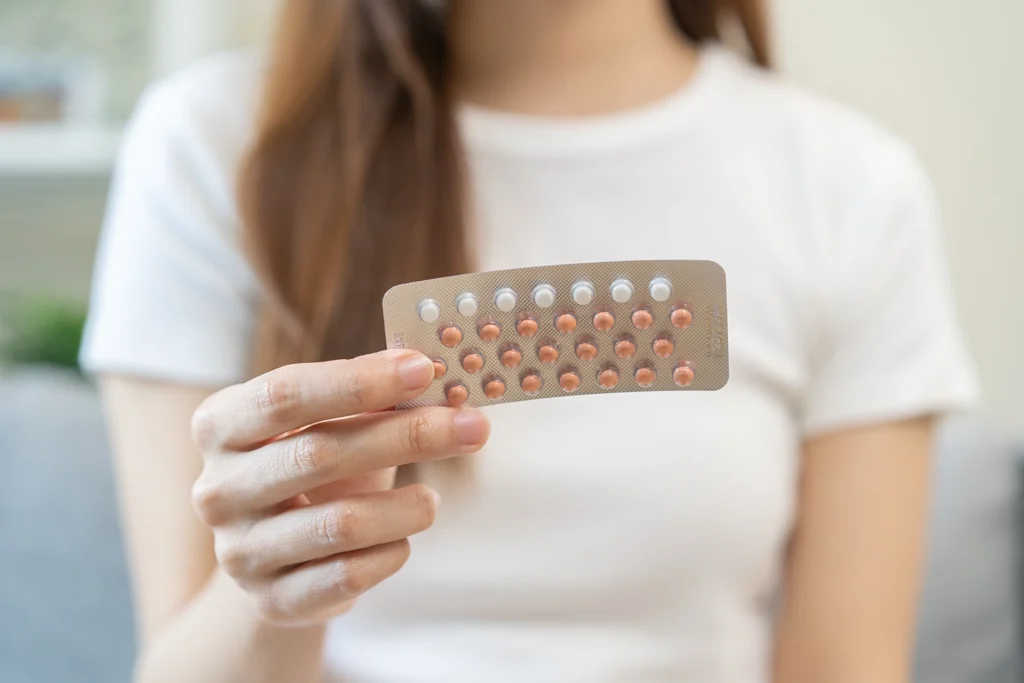
Birth control pills or progestins are commonly used for endometriosis treatment in Singapore. It thins the endometrium, shrinks implants, and reduces bleeding. As they function like a contraceptive, they are not suitable when actively trying to conceive.
Laparoscopic Surgery Endometriosis

Laparoscopic Surgery

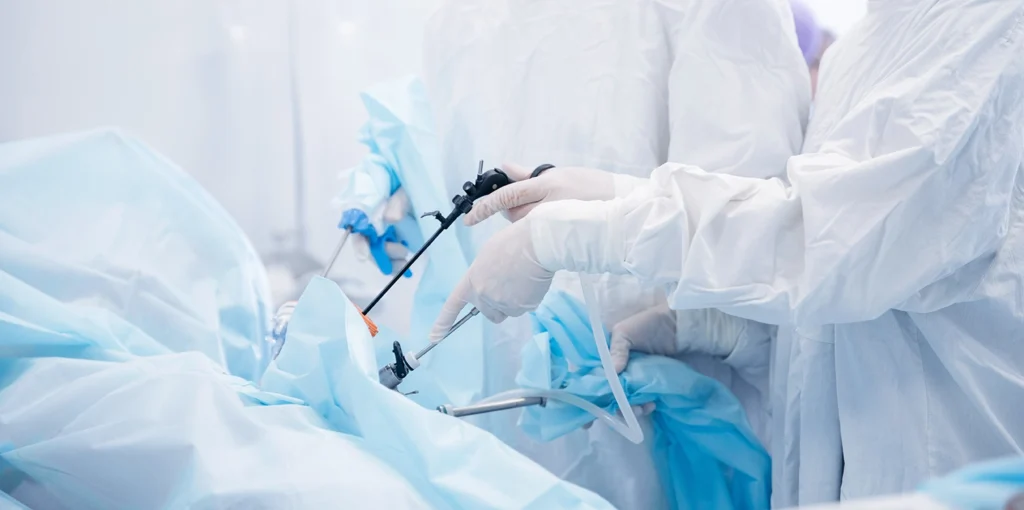
Keyhole surgery can remove endometriotic lesions, endometriomas and adhesions. In some women, particularly those with mild to moderate endometriosis, this may help improve fertility.

Dilation & Curettage (D&C)

A D&C is not a primary treatment for endometriosis because it removes only the womb lining, not the pelvic implants that cause symptoms.

It may be used to:
Rule out other uterine conditions such as uterine cancer or endometrial hyperplasia, particularly in women over 40.

Fertility Treatments for Endometriosis

Fertility Treatments for Endometriosis

IVF for moderate to severe endometriosis Endometriosis causes tubal damage and can affect egg pick up

In vitro fertilisation (IVF) often recommended for moderate to severe endometriosis to bypass these barriers. Doctors stimulate the ovaries, collect the eggs and place the resulting embryo into a well-prepared uterus.

When should you see a gynaecologist for endometriosis-related fertility issues?

If you’ve been trying to conceive for 6–12 months

Book a fertility check-up if you have not conceived after a year of unprotected sex, or after 6 months if you are over 35 years of age.

If you have painful periods, painful intercourse, or chronic pelvic pain

Severe cramps, pain during sex, or sharp bowel/bladder pain may point to deep infiltrating endometriosis. Early specialist care can reduce the risk of scarring and protect fertility.

If you’ve had prior surgery or diagnosis, but still struggle to conceive

Endometriosis can recur. Repeat scans may show a recurrence of pelvic disease which may warrant repeat surgery before starting another IVF cycle.Early intervention improves both symptom control and fertility outcomes.

Choosing the Right Endometriosis Specialist in Singapore

Selecting a doctor experienced in both fertility and endometriosis is key as the specialist can relieve symptoms without compromising on your chances of conceiving.

Why Experience with Endometriosis-related Infertility Matters

Why Experience with Endometriosis-related Infertility Matters
What to expect at Daniel Koh Clinic for Women and Fertility Services

What to expect at Daniel Koh Clinic for Women and Fertility Services

Frequently Asked Questions

Can I have endometriosis without experiencing pain?
Yes. Some women have no symptoms but still experience fertility issues.
Laparoscopic removal of endometriotic implants is advised for patients with severe pain, large endometriotic cysts, or suspected fertility blockage.
Yes, recurrence is possible, though proper management can slow or stop progression.
Early diagnosis, appropriate treatment, and assisted fertility techniques can significantly improve the chances of a pregnancy.

Take the First Step Toward Pregnancy

Endometriosis can feel overwhelming, but early diagnosis and a structured treatment plan can make a significant difference. Addressing the condition early helps preserve fertility.

Consult Dr Daniel Koh, an Experienced Fertility Specialist in Singapore

Dr Daniel Koh is a specialist obstetrician-gynaecologist with dual subspecialty experience in reproductive medicine and maternal–fetal medicine. Accredited by the Ministry of Health to perform IVF and other assisted-reproduction techniques, he provides optimal one stop guidance from preconception through pregnancy.
Take the First Step Toward Pregnancy
Book a consultation with Dr Daniel today to explore your personalised endometriosis treatment options in Singapore and take the next step towards parenthood.

Dr Daniel

About Our Specialist

Obstetrician & Gynaecologist Singapore

BMBS (AUS), M.MED (O&G, SG), FRCOG (UK), FAMS (SG)

Dr Daniel is a specialist obstetrician and gynaecologist with dual subspecialty interests in reproductive medicine and maternal-fetal medicine.

He received his specialist training at the largest Women’s Health hospital in Singapore – KK Women’s and Children’s Hospital.

Combining his subspecialty interests of reproductive medicine and gynaecology, Dr Daniel provides evidence-based management of menstrual disorders, ranging from medical to surgical intervention.

Dr Daniel completed his medical education from the prestigious Flinders Medical School and holds medical registration in Australia. He has won multiple awards for his exemplary performance and received numerous compliments from patients for his genuine care.

How WE Can Help

Our Services

Providing a comprehensive suite of services to prioritise your needs and comfort at every step of the way in your fertility journey.
Obstetrics

Antenatal care & delivery, maternal & fetal medicine including high-risk pregnancies and fetal screening

Gynaecology

Abortion, family planning, abnormal Pap smears, fibroid and ovarian cyst management
Fertility

Fertility Screening, IUI, IVF, Egg Freezing, Pregnancy Confirmation

Menstrual Problems

Abortion

Surgical Abortion, Medical Abortion, Abortion Pill

PMOS Treatment

Get In Touch

We're Here to Help

Our friendly team is looking forward to serving you. For urgent enquiries and appointment requests, please call or WhatsApp us directly.